
Why Injectable Peptides Are Often the Preferred Option for Peptide Therapy
At Hormone Health and Wellness of Colorado in Grand Junction, many patients ask a very reasonable question: Why are peptides given by injection rather than as an oral pill? The answer has to do with how peptides are built, how the digestive system works, and how much of a therapy can reliably reach the bloodstream.
As Dr. Howe explains, the digestive system naturally breaks down many peptides before they can be absorbed. For that reason, injectable administration is often the more effective and predictable route for peptide therapies used in clinical wellness protocols.
What Are Peptides?
Peptides are short chains of amino acids, the same building blocks that make up proteins. In the body, peptides can act as signaling molecules, helping regulate biological processes such as metabolism, tissue repair, immune function, sleep, body composition, and hormone-related pathways.
Because peptides are biologically active molecules, their clinical effect depends on whether an adequate amount reaches the bloodstream intact. This is where oral delivery becomes challenging.
The Digestive System Is Designed to Break Peptides Down
When you swallow a peptide capsule or tablet, it must travel through the gastrointestinal tract. The stomach and intestines are highly efficient at breaking
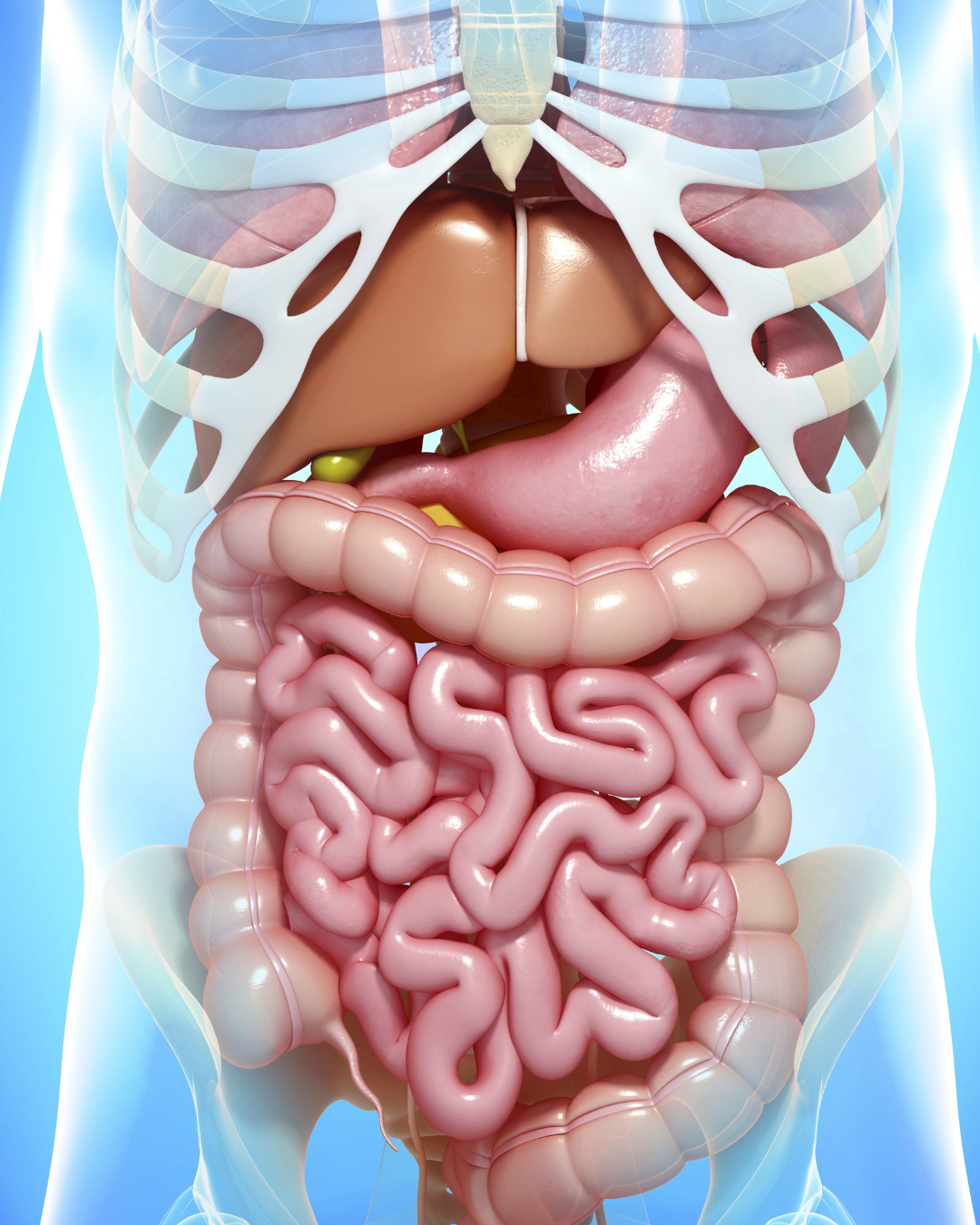
down proteins and peptides from food into smaller pieces so the body can absorb them as nutrients.
That same digestive process can work against peptide therapies. Stomach acid, digestive enzymes, intestinal enzymes, and the physical barrier of the intestinal lining can all reduce the amount of active peptide that survives and enters circulation. Pharmaceutical reviews consistently describe oral peptide delivery as difficult because of enzymatic degradation, instability, and poor permeability through the gastrointestinal lining.
In simple terms, an oral peptide may be partially or largely destroyed before it has a chance to work.
Bioavailability: The Key Difference
The term bioavailability refers to how much of a substance reaches the bloodstream in an active form. Many traditional medications are small molecules that can pass through the digestive tract and enter circulation efficiently. Peptides are different. They are generally larger, more delicate molecules that do not always cross the intestinal lining well.
This is why many peptide and protein-based therapies have historically required parenteral administration, meaning they are delivered outside the digestive tract, commonly by injection.
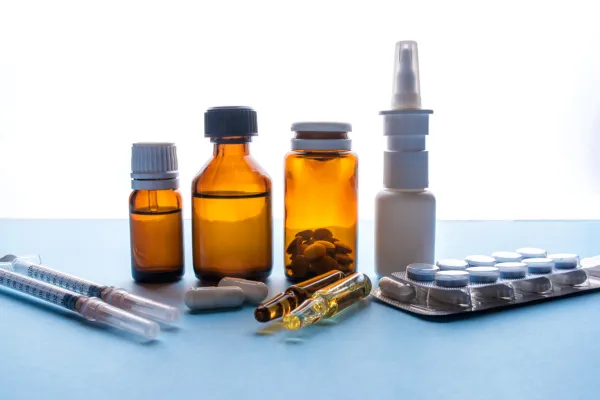
Injectable peptides bypass the stomach and intestines. When administered subcutaneously, the peptide is placed into the fatty tissue beneath the skin, where it can be absorbed more directly into circulation. This helps preserve the peptide’s structure and allows for more consistent dosing.
Why Injections Offer More Predictable Results
For peptide therapy, consistency matters. A dose that is mostly destroyed in the digestive tract may produce little effect. A dose that is absorbed inconsistently may produce unpredictable results from one day to the next.
Injectable administration offers several clinical advantages:
More reliable absorption. Because the peptide does not have to survive stomach acid or digestive enzymes, more of the active compound can be available for the body to use.
More precise dosing. Providers can better estimate how much peptide the patient is receiving when it is administered by injection.
Less variability. Oral absorption can be affected by food, stomach contents, timing, gut health, medications, and digestive differences between patients. Injections reduce many of these variables.
Better suitability for delicate molecules. Many peptides are structurally sensitive. Injection helps avoid the harsh environment of the gastrointestinal tract.
Are Oral Peptides Ever Possible?
Yes, but they are the exception rather than the rule. Some oral peptide medications have been developed using specialized drug-delivery technologies. A well-known example is oral semaglutide, which is formulated with an absorption enhancer called salcaprozate sodium, also known as SNAC. Even with that technology, the FDA prescribing information reports that oral semaglutide has an estimated absolute bioavailability of approximately 0.4% to 1% for one formulation and 1% to 2% for another.
That example illustrates the challenge: even when an oral peptide is scientifically engineered to improve absorption, only a small percentage may reach the bloodstream. It also requires specific dosing instructions to improve absorption, such as taking it under fasting conditions with a limited amount of water.
Most peptides used in wellness and hormone-supportive protocols do not have the same specialized oral delivery systems. Without those technologies, oral peptide products may be far less reliable.
Why Hormone Health and Wellness of Colorado Uses Injectable Peptides
At Hormone Health and Wellness of Colorado, peptide therapy is approached with a focus on safety, clinical appropriateness, and measurable wellness goals. Injectable peptides are used because they offer a more direct and dependable way to deliver these compounds than standard oral pills.
For adults age 45 and older, consistency is especially important. Patients in this stage of life may be seeking support for energy, recovery, body composition, sleep, performance, vitality, or age-related hormone changes. When peptide therapy is part of a personalized wellness plan, the route of administration should support reliable absorption and predictable clinical monitoring.
A Clinical Approach Matters
Peptide therapy should not be viewed as a one-size-fits-all treatment. The right protocol depends on a patient’s health history, current symptoms, laboratory findings, medications, goals, and risk factors. Injections should be administered according to medical guidance, and patients should be monitored for response, tolerance, and any potential side effects.
While oral pills may seem more convenient, convenience is not the only consideration. For many peptides, the most important question is whether the therapy can survive digestion and reach the bloodstream in an active, reliable amount. In many cases, injectable administration remains the better option because it bypasses the digestive barriers that make oral peptide delivery so difficult.
For patients wondering why peptide therapy is commonly offered by injection, the answer is straightforward: the digestive system is designed to break peptides down, while injection helps preserve them and deliver them more predictably.